Image by Flux
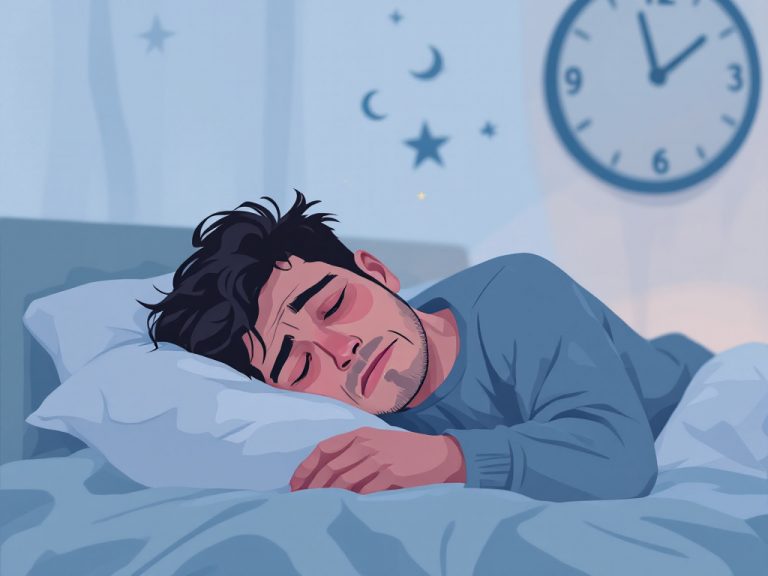
A good night’s sleep does more than help you feel rested. The way you sleep can ease or aggravate back and shoulder pain, affect your hormones, and even influence your long‑term health. If you are wondering about the best sleep positions for men, especially when you deal with back or shoulder pain, a few targeted adjustments can make a big difference.
Below, you will learn how different positions affect your spine and shoulders, how to modify your favorite position, and what to change tonight for more comfortable sleep.
Why sleep position matters for men
Your spine has a natural S‑shaped curve that supports your head and distributes weight through your hips and legs. When your sleep position twists or flattens that curve for hours at a time, you wake up stiff, sore, or with a throbbing shoulder.
For men, there are a few extra layers to think about. Research links deep, high quality sleep to testosterone production and overall hormone balance, so positions that help you sleep more deeply may support better hormone health over time (Posterity Health). Some positions can also put pressure on your chest and reproductive organs, which may affect blood flow and comfort (Vinmec).
The goal is simple. You want a position that keeps your spine neutral, respects your shoulders and hips, and lets you breathe easily so you can stay asleep.
Back sleeping for men: When it helps and when it hurts
Back sleeping often looks like the most “correct” posture, and in some ways it is. If you have back pain, lying on your back with smart pillow support can reduce pressure on your spine.
Mayo Clinic recommends placing a pillow under your knees when you lie on your back. This helps maintain the natural curve of your lower back and relaxes the surrounding muscles, which can reduce pain (Mayo Clinic). You also want a pillow under your head that keeps your neck in line with your chest and back, not tipped up or sagging down.
Keck Medicine of USC goes a step further and lists flat back sleeping as the best position to avoid back pain for men. Their guidance is to use one pillow under your head or neck and another under your knees to support neutral alignment from neck to hips (Keck Medicine of USC).
Back sleeping has another benefit for men. Lying on your back with legs naturally apart does not compress the chest or reproductive organs. This posture encourages healthy blood flow and avoids testicular torsion, which supports sexual and reproductive health (Vinmec).
There are downsides though. Back sleeping can worsen snoring and sleep apnea. Mayo Clinic specialists note that for people with sleep apnea, back sleeping is often the worst choice because the tongue and jaw can slide back, block the airway, and increase snoring (Mayo Clinic News Network). If your partner complains about loud snoring or if you wake up choking or gasping, side sleeping may suit you better.
Side sleeping for men: Best for snoring and many types of pain
If you deal with back or shoulder pain, or if you snore, side sleeping is usually your safest bet. It naturally supports spinal alignment and helps keep your airway more open through the night.
Mayo Clinic and Sleep Foundation experts point out that side sleeping is one of the healthiest overall positions. It reduces snoring and can ease symptoms of position‑dependent sleep apnea because the airway is less likely to collapse compared with lying on your back (Mayo Clinic News Network, Sleep Foundation). For back and neck pain, they recommend placing a small pillow between your knees to reduce hip stress and improve alignment (Mayo Clinic News Network).
Keck Medicine of USC calls side sleeping with legs straight the second‑best option for back and neck pain. With a supportive pillow between your knees, you maintain a neutral spine and keep airways open (Keck Medicine of USC). WebMD also highlights side sleeping as the go‑to position for men who snore or have back pain, especially when you add a pillow between the legs to support the lower body (WebMD).
If you have chronic neck or back pain, research suggests that symmetrical side positions, such as lying straight on your side or in a gentle fetal curl, can reduce pain by supporting the spine’s natural curve (Sleep Foundation).
Left side vs right side
You might wonder if one side is better than the other. For most people, there is not a major difference. The Sleep Foundation notes that either side can support proper alignment as long as you use the right pillow and mattress, although the left side is often recommended in specific conditions such as pregnancy, heartburn, or some heart issues (Sleep Foundation).
Some sources caution that left or right side sleeping might compress the heart or reproductive organs in men, potentially affecting blood flow or contributing to discomfort (Vinmec). On the other hand, large reviews still describe side sleeping as one of the healthiest positions overall, thanks to its benefits for spinal alignment and snoring reduction (Sleep Foundation).
If you are not dealing with specific heart or vascular conditions, a practical approach is to choose the side that feels most comfortable, then fine‑tune your pillow and leg support.
Adjusting side sleeping for shoulder pain
Side sleeping can aggravate shoulder pain if your mattress is too firm or your pillow too low or too high. To protect your shoulders:
- Keep your bottom shoulder slightly forward instead of directly under your body.
- Use a pillow thick enough to keep your neck in line with your spine.
- Hug a small pillow or body pillow to reduce pressure on the shoulder joint.
A full‑length body pillow can further support your upper and lower body, which may ease back pain and make side sleeping more comfortable (Mayo Clinic).
Stomach sleeping: Why it is usually the worst option
If you fall asleep on your stomach, you are not alone, but this is the position that most experts agree is the hardest on your spine.
Keck Medicine of USC notes that sleeping on your stomach is the worst position for spine health. It flattens the natural curve of your back and forces your neck to twist to one side, which can lead to neck and upper back pain (Keck Medicine of USC). Mayo Clinic experts agree, explaining that stomach sleeping may keep the airway open but often strains the spine and neck, so it is considered a less ideal choice overall (Mayo Clinic News Network).
There are also specific concerns for men. Lying face down can compress internal organs, including the heart, and may hinder breathing and blood circulation. It also presses on the penis, which can restrict blood flow and potentially contribute to fatigue and reproductive issues if this becomes a long‑term habit (Vinmec).
If you cannot break the habit of stomach sleeping, WebMD suggests using a very soft pillow or no pillow at all to reduce neck strain (WebMD). You can also place a thin pillow under your hips and lower abdomen to take some pressure off the lower back (Mayo Clinic). Still, the long‑term goal should be to shift toward back or side sleeping if possible.
How sleep affects testosterone and recovery
Your sleep position is not only about pain. It can also influence the quality of your sleep, which in turn affects hormones like testosterone.
Most testosterone production in men happens during deep sleep. This stage is marked by slow brain waves, relaxed muscles, and a lower heart rate. If you constantly wake up from pain, snoring, or poor breathing, you spend less time in that deep, restorative phase, which may lower your overall testosterone output (Posterity Health).
Sleep quality matters as much as sleep quantity. Fragmented or shallow sleep interrupts hormone production, so choosing a position that lets you breathe freely and stay comfortable is not just about comfort, it supports your long‑term health (Posterity Health).
A few habits can help you get into deeper sleep more consistently:
- Keep a consistent sleep and wake time, even on weekends.
- Create a relaxing wind‑down routine that you follow each night.
- Keep your bedroom cool, around 65°F, and quiet and dark.
- Avoid caffeine and other stimulants in the hours before bed.
These changes, combined with a supportive mattress and pillow that match your favorite position, can help you fall asleep faster and stay asleep longer (Posterity Health).
If you wake up with pain most mornings, your sleep position is sending you a clear message that it is time for an adjustment.
Picking the right mattress and pillows for your position
No matter which position you choose, the surface you sleep on will either support or sabotage your efforts.
For back and side sleeping, a medium‑firm mattress usually works well. Research cited by Keck Medicine of USC notes that a firm surface helps maintain spinal alignment, especially when paired with a position that supports a neutral spine (Keck Medicine of USC). You want your mattress to support your weight without letting your hips or shoulders sink much deeper than the rest of your body.
Your pillow should match your usual position:
- Back sleepers generally need a medium loft pillow that fills the space between neck and mattress without pushing the head forward.
- Side sleepers often need a thicker pillow that keeps the neck level with the spine.
- Stomach sleepers, if they cannot switch, should use a soft, low pillow or none at all to reduce neck rotation.
Breathable sheets made from natural fibers such as cotton or bamboo help regulate temperature and moisture, which can improve overall comfort and help you stay asleep (Posterity Health).
Simple adjustments you can try tonight
You do not have to overhaul your sleep routine in one night. Start with one small change that matches your current habits and pain pattern.
If you sleep on your back and have low back pain, slide a pillow under your knees and check that your head pillow keeps your neck in line with your chest. If you sleep on your side and wake up with hip or shoulder pain, place a pillow between your knees and consider adding a body pillow to hug so your top shoulder is supported.
If you are a lifelong stomach sleeper, experiment with rolling slightly toward your side with a body pillow in front of you. This can feel similar to stomach sleeping but with less direct pressure on your spine and reproductive organs.
Over the next week, pay attention to how you feel when you wake up. Your body will tell you which adjustments are working. With a combination of the right position, better support, and consistent sleep habits, you can reduce back or shoulder pain and give your body the restorative sleep it needs.
About the Author