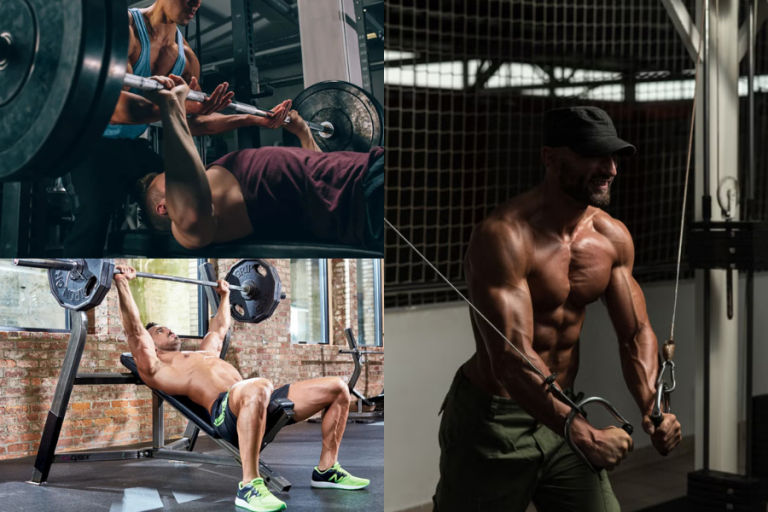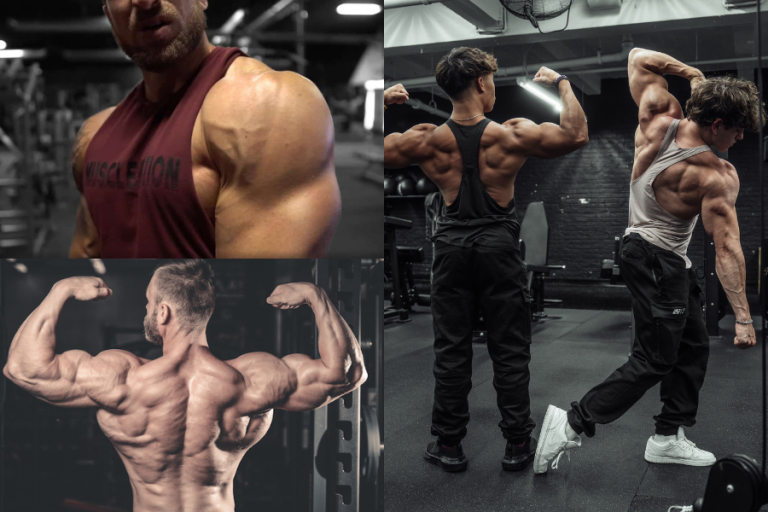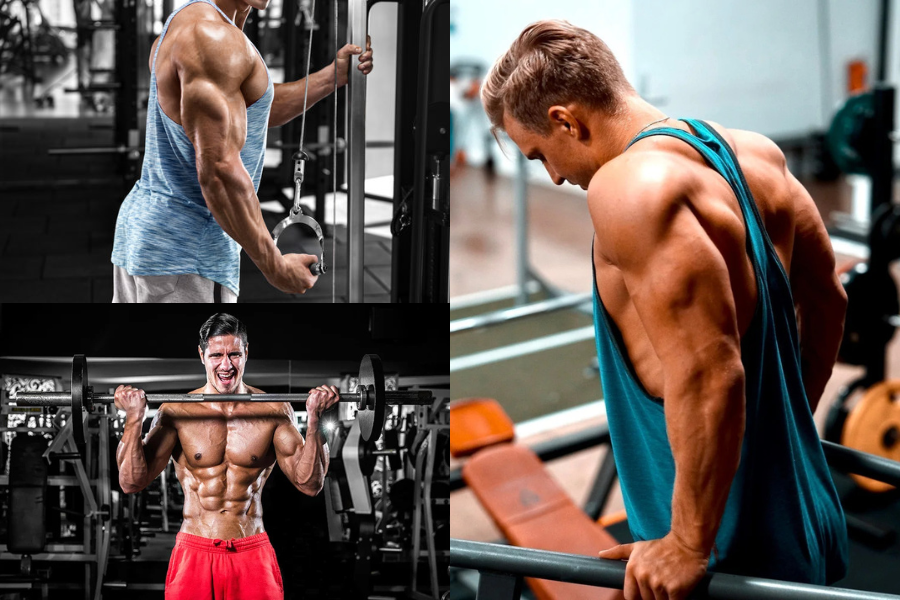
A few focused arm toning exercises can change how your T‑shirt sleeves fit and how confident you feel when you reach, lift, or carry things. You do not need a gym membership or a long routine. With the right movements and consistent effort, you can sculpt stronger, more defined arms in just a few sessions a week.
Below you will find practical exercises, simple routines, and realistic expectations so you can start training your arms effectively, even if you are a beginner.
Understand what “toned arms” really means
When you say you want “toned” arms, you are really talking about two goals: building muscle and reducing body fat so that muscle definition shows.
Your arms are made up of three key areas:
- Biceps at the front of your upper arm
- Triceps at the back of your upper arm
- Forearms, which control grip and wrist movement
Your biceps are important, but they only account for about one third of your upper arm muscle. Your triceps make up roughly two thirds, and your forearms stabilize your grip and wrists, which affects almost every lift you do. If you only train curls, you miss most of the arm.
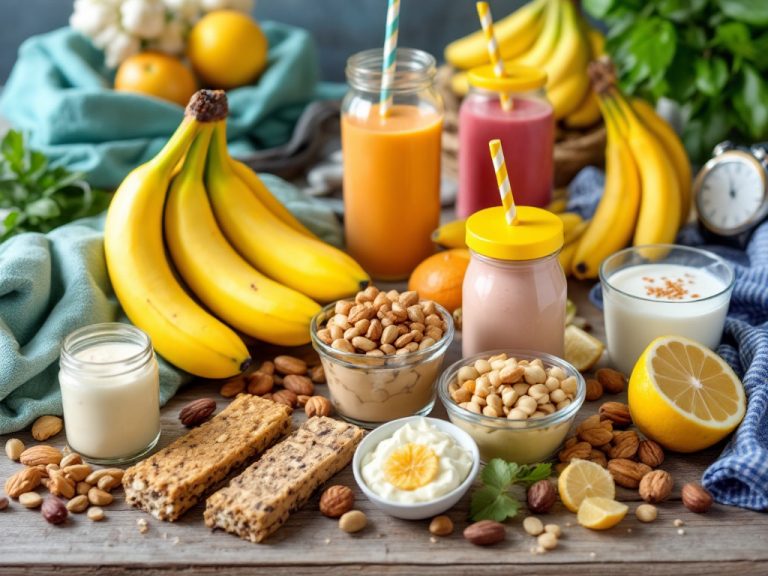
To see visible definition you also need a low enough body fat percentage. That comes from overall body recomposition, which means combining strength training, a nutrition plan that supports fat loss or maintenance, and enough resistance to challenge your muscles.
Benefits of arm toning exercises for men
Arm toning exercises do more than fill out your sleeves. Regular arm work can:
- Improve everyday strength so carrying groceries, lifting luggage, or pushing up from the floor feels easier
- Support your shoulders and elbows, which reduces the risk of injuries and joint pain
- Help your posture by engaging the upper back and shoulder muscles along with your arms
- Protect your bones and joints, because strength training increases bone density and joint stability, which can lower your risk of osteoporosis and long term joint issues when you use proper form
Research also links stronger arms with better running efficiency, since your upper body and nervous system coordinate with your legs to improve endurance and reduce fatigue.
In short, stronger arms help you look better and move better.
How often you should train your arms
You can make progress with a small but consistent time investment. A pair of dumbbells and about 20 minutes is enough to work your delts, biceps, and triceps from several angles.
For solid results:
- Train your arms 2 to 4 times per week
- Include them in full body workouts, upper body days, or specific “arm days”
- Adjust your exercise selection and sets every 6 to 12 weeks so your body keeps adapting
For muscle growth and toning, aim to hit each muscle group at least twice a week. This training frequency is more effective for hypertrophy than only once per week, especially when you are trying to build or maintain muscle at home.
Best arm toning exercises with dumbbells
If you have dumbbells, you already have one of the most effective tools for arm training. You can target your biceps, triceps, forearms, and shoulders without needing a full gym.
Biceps focused moves
Biceps are the muscles you notice first in the mirror when you flex. To hit them from different angles, use a few variations.
1. Standard biceps curl
This is the classic move for a reason.
- Stand tall with a dumbbell in each hand, arms at your sides, palms facing forward
- Keep your elbows close to your ribs
- Curl the weights toward your shoulders, then lower with control
You can do this with both arms together or alternate sides. Focus on squeezing your biceps at the top.
2. Concentration curl
A 2014 study from the American Council on Exercise found concentration curls are highly effective for isolating the biceps in young adults.
- Sit on a bench or sturdy chair with your feet planted
- Hold a dumbbell in one hand and rest that elbow on the inside of your thigh
- Curl the weight toward your shoulder without letting your upper arm move
- Lower slowly and repeat before switching sides
This setup reduces momentum and forces your biceps to do the work.
3. Zottman curl
Zottman curls train your biceps and forearms together.
- Stand with dumbbells at your sides, palms facing forward
- Curl the weights up like a standard curl
- At the top, rotate your wrists so your palms face down
- Lower slowly, keeping palms down
- Rotate back to the starting position at the bottom
This variation hits the brachialis and brachioradialis, which can improve arm shape and overall strength.
Triceps focused moves
Your triceps are the bigger part of your upper arm, which makes them critical for size and shape.
4. Overhead triceps extension
- Sit or stand with one or two dumbbells held overhead, arms straight but not locked
- Keep your elbows close to your ears
- Bend at the elbows to lower the weight behind your head
- Extend your arms back up, focusing on the squeeze in your triceps
You can do this with one dumbbell held by both hands or one dumbbell in each hand.
5. Triceps kickback
Light to moderate weights work well here because range of motion matters more than load.
- Hinge forward at the hips with a flat back
- Hold a dumbbell in each hand, elbows bent at 90 degrees and close to your sides
- Straighten your arms behind you by extending your elbows
- Pause briefly, then return to the starting position
Kickbacks are especially useful when your dumbbells are only 2 to 5 kilograms, which might be too light for heavier presses but still enough to train your triceps through a full range.
Forearm and grip moves
Forearms round out your arm development and support everything from deadlifts to daily tasks.
6. Wrist curls and reverse wrist curls
These simple moves build strength and endurance in the forearms.
- Sit and rest your forearms on your thighs or a bench, wrists hanging off the edge
- For palms up wrist curls, hold the dumbbells with palms facing up and curl your wrists toward you, then lower slowly
- For palms down wrist curls, flip your grip and curl your wrists up, then lower under control
These help your grip, wrist stability, and can reduce the risk of common wrist issues.
7. Farmer’s carry
- Hold a heavy dumbbell in each hand at your sides
- Stand tall with your chest up and shoulders back
- Walk slowly for 20 to 40 seconds while maintaining posture
This one move hits your forearms, traps, core, and even challenges your cardiovascular system.
If you want stronger, more defined arms with minimal equipment, combining curls, triceps extensions, and forearm work with progressive weight or reps will do more for you than chasing a long list of complicated moves.
Effective arm toning without weights
No dumbbells yet? You can still start sculpting your arms using bodyweight and simple tools like resistance bands.
Bodyweight arm exercises are excellent for learning proper form and building a foundation. Trainer Roxie Jones recommends mastering bodyweight moves before progressing to heavier weights to lower your injury risk.
Bodyweight arm exercises
These moves rely on your own body weight and often train your core, shoulders, chest, and back along with your arms.
- Pushups, which target chest, shoulders, triceps, and core
- Triceps dips on a bench, step, or sturdy chair
- Planks and Chaturanga planks, which challenge shoulders, triceps, and core stability
- Inchworms, which mix hamstring mobility with shoulder and arm strength
- Arm circles, front raises, and lateral raises without weights to build endurance in your shoulders
If you are a beginner, focus on slow, controlled reps. You can increase difficulty by adding reps, extending your time under tension, or shortening your rest periods.
Resistance band arm exercises
Resistance bands are low cost, portable, and surprisingly effective.
Useful band moves include:
- Standing band biceps curls
- Standing overhead triceps extensions
- Band pull aparts for the rear shoulders and upper back
- Band pushdowns for the triceps
These can be scaled easily by using thicker bands or stepping farther away from the anchor point.
Putting it together: A simple arm toning routine
You can build a quick routine based on your equipment and schedule. Here is a sample dumbbell workout you can do at home in 20 to 25 minutes.
Sample 20 minute dumbbell arm workout
Perform 3 rounds. Rest 30 to 60 seconds between sets.
- Biceps curls, 10 to 12 reps
- Overhead triceps extensions, 10 to 12 reps
- Zottman curls, 8 to 10 reps
- Triceps kickbacks, 10 to 12 reps
- Wrist curls, 12 to 15 reps
- Reverse wrist curls, 12 to 15 reps
Choose a weight that makes the last 2 reps of each set challenging but still controllable. Over time, increase the weight or add a rep or two to keep your muscles progressing.
Sample no equipment circuit
Perform 30 to 45 seconds per exercise, rest 15 to 30 seconds, and repeat the circuit 2 to 4 times.
- Pushups or kneeling pushups
- Triceps dips on a chair or bench
- Plank with shoulder taps
- Inchworm walkouts
- Arm circles, forward and backward
This style of training keeps your heart rate up, tones your arms, and works your core and shoulders at the same time.
How long it takes to see results
The timeline for visible arm definition depends on your starting point. If you already have a relatively low body fat percentage, you may notice more shape in a few weeks. If you have more fat to lose, expect to focus on full body recomposition and consistent training over a longer period.
Results are individual, but you will usually notice:
- Strength gains first, often within the first few weeks as your nervous system adapts
- Visual changes in muscle size and shape over several weeks to a few months, depending on your training consistency and nutrition
- Better performance in daily tasks like lifting, pushing, and carrying
Working with a coach or trainer can help you dial in a nutrition and training plan that matches your goals, especially if you want to gain muscle while reducing body fat.
Quick tips to get more from every rep
A few small changes can make your arm toning exercises much more effective.
- Focus on form. Move through a full range of motion without swinging or using momentum.
- Use enough resistance. Weights that feel “too easy” will not stimulate growth beyond the beginner stage.
- Train all angles. Combine curls, presses, extensions, and forearm work so you hit biceps, triceps, and forearms evenly.
- Progress over time. Add reps, sets, or weight gradually, instead of repeating the same exact routine for months.
If you stay consistent with two to four focused arm sessions per week and pair them with smart nutrition, you will see and feel the difference in how your arms look and perform.
About the Author