Aging affects your body, your relationships, and your sense of identity, so it is no surprise that it affects your mind as well. Men’s mental health and aging are tightly connected, yet many men are reluctant to talk about what they are going through or to ask for help. You might be used to pushing through stress, pain, or low mood on your own, but that approach can make later life a lot harder than it needs to be.
You are not alone in this. Nearly 15% of adults age 50 and older in the United States are living with some type of mental health disorder, and that number is expected to double by 2030 as the population ages. At the same time, men are statistically 24% less likely to attend regular medical check ups than women, which means problems are often picked up later than they should be. When you bring mental health into the open, you give yourself a better chance at staying independent, active, and connected for many years.
Why men’s mental health changes with age
Your mental health in your 50s, 60s, and beyond is shaped by more than just brain chemistry. It reflects what is happening in your body, your social life, your work, and your sense of purpose.
As you get older, you are more likely to experience:
- Physical health issues or chronic pain
- Retirement or job changes that affect routine and identity
- Shifts in relationships through divorce, children moving out, or the loss of a partner or close friends
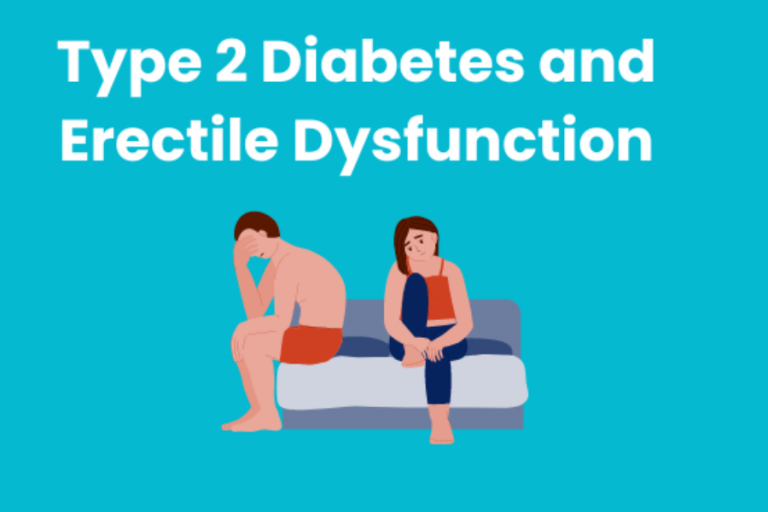
- Changing sexual health, including issues like erectile dysfunction or low libido
- Smaller social circles and less day to day contact with others
None of these changes automatically cause a mental health problem, but each one adds strain. If you were raised to believe you should handle everything yourself, you might also be less likely to share what you are feeling. That silence can turn manageable stress into something more serious.
Common mental health challenges in older men
Men’s mental health and aging often intersect in a few key areas. You may recognize yourself in one or more of these.
Depression that does not look like “sadness”
Depression in older adults is common and treatable, yet it is often missed. Some research suggests that around 27% of older adults have significant symptoms of depression. Men, however, might show it differently than expected.
Instead of talking about sadness, you might notice:
- Irritability, restlessness, or anger
- Pulling away from friends or family
- Losing interest in hobbies you used to enjoy
- Sleeping much more or much less than usual
- Changes in appetite or weight
- Drinking more alcohol than before
- Unexplained aches, pain, or digestive issues
Roughly 6 million men in the United States live with depression, yet many never receive support because they do not see their symptoms as a mental health issue or they worry about being judged. Untreated depression can also affect your physical health, for example by raising your risk of heart disease and weakening your immune system.
Anxiety that interferes with daily life
Anxiety affects between 3% and 14% of older adults. A certain amount of worry is understandable as you think about health, finances, or family. Anxiety becomes a concern when it:
- Feels constant or overwhelming
- Makes it hard to sleep or concentrate
- Leads you to avoid people, places, or activities
- Triggers physical symptoms like rapid heartbeat, shortness of breath, or stomach problems
The good news is that anxiety in later life is very treatable. Therapy, medication, or a combination can be tailored to your needs. You do not have to simply “live with it” because you are getting older.
Loneliness and loss of purpose
Social isolation and loneliness affect about a quarter of older adults. For men, the risk can be even higher. One study of men aged 60 and over in New Zealand found that 53% reported feeling lonely. Loneliness was linked to being unpartnered, having fewer social contacts, and low participation in activities, but the strongest indicators were poor mental health and a low sense of purpose in life.
You might notice loneliness as:
- Long stretches of time without meaningful conversation
- Feeling invisible or unneeded
- Missing the structure and camaraderie of work after retirement
- Feeling like your days blend together without clear goals
Loneliness is not just an uncomfortable feeling. It is associated with more than double the risk of depression and a nearly one third increased risk of cardiovascular disease, partly because of stress and inflammation. If you live alone or have a small social circle, it is especially important to build in regular connection.
The impact of physical changes and chronic conditions
As testosterone gradually declines, especially after age 50, you might notice fatigue, irritability, sleep problems, loss of muscle mass, changes in sexual function, and reduced libido. On their own, these changes can be frustrating. Combined with social expectations around masculinity and aging, they can contribute to shame, lowered self esteem, or withdrawal from relationships.
Chronic conditions such as arthritis, heart disease, or reduced mobility can also weigh on your mood. When pain or stiffness keeps you from activities that once brought you joy, it is natural to feel discouraged. Without good support, that discouragement can drift into depression or anxiety.
How physical health and activity affect your mood
Your mind and body are not separate. Mental health challenges like depression and anxiety can raise your risk of physical conditions such as heart disease and a weaker immune system. At the same time, staying active can be one of the most powerful tools you have for protecting your mental health as you age.
A large body of research, covering more than 4,000 publications from 2009 to 2023, shows that physical activity has a positive impact on mental health in older adults. For men, the benefits can be striking. Some studies find that physically active older men have a 68% lower risk of depressive symptoms compared to those who are inactive.
Different types of movement support your brain in different ways:
- Aerobic exercise, such as walking, cycling, or swimming, can improve mood, reduce anxiety, and even increase the volume of brain regions related to memory and learning. This may help reduce the risk of dementia.
- Resistance training, such as lifting weights or using resistance bands, helps maintain muscle, balance, and independence, and is also linked to improved mood and cognitive function.
- Mind body activities like tai chi or qigong can reduce stress, ease depressive symptoms, improve sleep, and support quality of life. They are particularly helpful as a complement to medication or therapy.
Physical therapy can also play a significant role. A holistic physical therapy approach targets not only pain and mobility but also your emotional well being. By helping you move with less discomfort, rebuild strength, and stay active in your daily life, it supports both healthy aging and mental health.
If pain, stiffness, or fear of injury are keeping you from exercise, working with a physical therapist or qualified trainer can help you find safe, realistic ways to move that fit your current ability.
Barriers that keep you from seeking help
Even when you know something is wrong, you might hesitate to reach out. Many men over 50 grew up with messages that emotional struggles are a sign of weakness or that “real men” handle problems themselves. An Ipsos survey of men aged 50 to 75 in the UK found that mental health was often a taboo subject in their upbringing, and that expectation of stoicism still shapes how they respond to stress today.
Common obstacles include:
- Believing that sadness, worry, or loneliness are just “normal” parts of getting older
- Worrying that talking about mental health will burden family or friends
- Not wanting to take time away from work, caregiving, or other responsibilities
- Fear of being judged, pitied, or seen as less capable
- Not knowing where to start or what support is available
These barriers are understandable, but they come at a cost. Around two thirds of older adults with mental health problems do not receive the treatment they need, even though conditions like depression and anxiety are highly treatable.
It can help to remember that seeking support is not about admitting defeat. It is about giving yourself the tools to stay as independent, engaged, and healthy as possible.
Practical ways to protect your mental health as you age
You cannot control every challenge that comes with aging, but you can take small, steady steps that make a real difference. Think in terms of four areas: body, mind, connection, and support.
Take care of your body
Regular movement and basic health care are central to men’s mental health and aging.
- Build realistic activity into your week. Aim for regular walks, light strength training, or group classes suited to your ability. Even 10 to 15 minutes at a time adds up.
- Address pain early. Do not ignore ongoing joint or back pain. Ask your doctor about physical therapy or other options that can keep you moving.
- Prioritize sleep. Keep a consistent schedule and create a wind down routine that does not revolve around screens or alcohol.
- Limit alcohol as a coping tool. If you find yourself drinking more to take the edge off, that is a sign to explore other ways to manage stress.
Keep your mind engaged
Your brain benefits from challenge and novelty at every age.
- Learn something new, such as a language, instrument, or skill.
- Rotate activities. Mix reading with puzzles, documentaries, or hands on hobbies.
- Set small goals you can actually measure, such as finishing a course, building a project, or attending a weekly class.
Strengthen social connection and purpose
Loneliness is not solved just by being around people. Quality matters more than quantity.
Consider:
- Joining a club, hobby group, or community class that genuinely interests you
- Volunteering in a role that uses your experience, such as mentoring, coaching, or teaching
- Scheduling regular check ins with one or two trusted friends or family members
- Exploring local community programs that focus on older adults, creative arts, or group exercise
Purpose in life, the feeling that your life is useful and satisfying, is strongly linked with better well being and resilience. Even if you are retired, your skills and experience still matter. Small acts of contribution, such as helping a neighbor, offering guidance, or sharing a hobby, can rebuild that sense of meaning.
Get professional support when you need it
If you have been feeling low, anxious, or disconnected for more than a couple of weeks, or if your mood is getting in the way of your daily life, it is time to talk with a professional.
You can:
- Start with your primary care doctor. Describe your mood, sleep, appetite, energy, and any changes in alcohol use. Ask about mental health referrals.
- Ask about therapy options like cognitive behavioral therapy, interpersonal therapy, or Acceptance and Commitment Therapy. These approaches are effective for many older men and focus on practical tools and relationship support.
- Discuss medication openly if your doctor suggests it. Many men find that a combination of therapy and medication provides the best relief.
Cost should not be the only barrier. In the United States, Medicare covers a wide range of mental health services and medications, which can make it easier to access care. If you are in crisis, or if you are having thoughts of harming yourself, support is available 24/7 through resources such as the Suicide & Crisis Lifeline by dialing 988 or through organizations like the National Alliance on Mental Illness (NAMI).
When to reach out right away
Pay attention to warning signs that mean you should not wait:
- Thoughts that life is not worth living or that your family would be better off without you
- Any plans or intent to harm yourself
- Sudden major changes in behavior, such as giving away possessions, withdrawing completely, or reckless behavior
- Confusion, disorientation, or drastic changes in memory
Men over 65 have the highest suicide rate of any demographic in the United States. Taking suicidal thoughts seriously and getting urgent help is an act of courage, not weakness. In an emergency, call 911 or your local emergency number, or contact the Suicide & Crisis Lifeline at 988.
Moving forward with more support
Aging will continue whether you pay attention to your mental health or not. The difference is in how you experience the years ahead. By acknowledging the real challenges that come with getting older and taking small steps to address them, you give yourself a better chance at living with more stability, connection, and purpose.
You do not need to overhaul your life overnight. Choose one action this week, such as booking a check up, going for a short walk, calling an old friend, or asking your doctor about how you have been feeling. Each choice in favor of your mental health is a step toward a stronger, more satisfying future.
About the Author