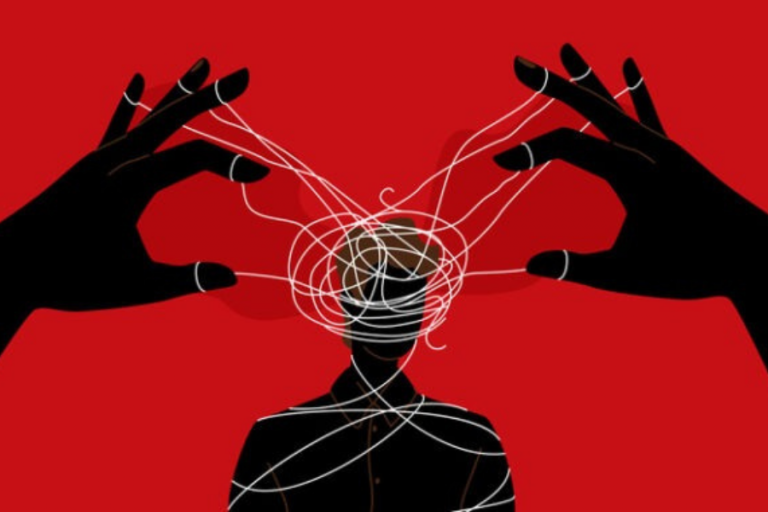
A lot of men learn early that you are supposed to be tough, keep your feelings in check, and push through whatever you are dealing with. Those same messages can make it hard to talk about stress, sadness, or worry, and even harder to ask for help. Yet self-care for men’s mental health is not a luxury. It is one of the most practical ways to protect your performance, relationships, and long-term health.
Self-care does not have to be complicated or time consuming. Small, consistent habits can lower your stress, steady your mood, and make problems feel more manageable.
Understand why self-care matters for men
You are not alone if you find it easier to power through than to reach out. Men seek counseling significantly less often than women, with 9.9% of men using counseling compared to 17.1% of women, which shows how many men are trying to handle everything on their own instead of getting support when they need it. At the same time, men carry a heavy burden of depression, anxiety, and suicide risk, and many never get diagnosed or treated.
Traditional ideas about masculinity, such as always being strong, never being emotional, and providing for everyone else, can create pressure that wears you down over time. These expectations often show up as shame or isolation, especially when you feel like you are not meeting them. Self-care gives you tools to handle that pressure instead of trying to ignore it.
When you invest in your mental health, you protect the parts of your life you care about most. You think more clearly, communicate better, and have more patience for the people around you. That is not weakness. It is taking responsibility for yourself.
Notice how mental health can look different in men
You might picture depression as someone who cries a lot or cannot get out of bed. For men, symptoms are often less obvious from the outside. Nearly one in ten men struggles with anxiety or depression, but only about half seek help, which means a lot of men are suffering quietly.
Instead of sadness, you might notice:
- Irritability or anger that feels hard to control
- Sliding into more drinking or drug use to take the edge off
- Working longer hours to avoid being at home or thinking about problems
- Feeling numb, checked out, or detached from people you care about
Depression is the most common mental health issue in men, and young adult males are especially affected. Men are also four times more likely to die by suicide than women, often because they use more lethal methods and are less likely to seek help in time. Knowing these patterns does not mean you are broken, it just means you can start spotting warning signs earlier.
If you notice your mood, sleep, appetite, or temper are changing and it lasts for more than a couple of weeks, that is a signal to take your mental health seriously instead of waiting it out.
Build simple daily self-care habits
Self-care for men’s mental health works best when it fits into your existing life instead of feeling like a second job. Think of it as upgrading your operating system rather than adding more tasks to your list.
Use movement as a mood tool
Physical activity is one of the most reliable, low-cost tools you have. A large study of more than 13,000 Australian men found that doing at least 150 minutes of physical activity per week was linked to lower odds of moderate to severe depression symptoms. The more time men spent moving, the better their mood, and swapping moderate activity for more vigorous activity lowered depression risk even further.
Regular exercise has several benefits for men:
- It reduces symptoms of depression, anxiety, and stress
- It boosts brain chemicals like serotonin and norepinephrine that regulate mood
- It improves memory and thinking skills and helps protect against age-related decline
- It supports self-esteem and body image when you see yourself getting stronger
- It creates social connection when you join a group or team activity
These effects are highlighted by the Canadian Men’s Health Foundation, which notes that consistent movement is a powerful way to support both body and mind.
You do not have to become a marathon runner. A short daily walk, a quick bodyweight workout, or a weekly pickup game is enough to start shifting how you feel. Aim for something you can realistically stick with, even on busy weeks.
Protect your sleep like a non-negotiable
Quality sleep is another core part of self-care for men’s mental health. Sleep helps your body recover, sharpens your focus, and stabilizes your mood. When you are short on sleep, stress feels bigger, your patience is shorter, and negative thoughts are harder to shake.
Experts recommend simple habits such as going to bed and waking up at roughly the same time, and limiting screens for at least 30 minutes before bed so your brain has a chance to wind down. Even small changes, like dimming the lights in the evening or keeping your room cooler and darker, can make sleep come easier.
If you think better, react more calmly, and handle your day more smoothly after a full night of rest, that is a strong sign that your sleep routine is worth protecting.
Try short, realistic mindfulness
Meditation and mindfulness might sound like something you do on a cushion for an hour. In reality, a few minutes a day can make a difference. Meditation helps clear your mind, reduce stress, sharpen your focus, and build self-awareness, all of which support mental health.
You can start simple:
- Take 10 slow breaths before you open your email in the morning
- Notice the feeling of your feet on the ground when you walk to your car
- Use a short guided meditation from a reputable app before bed
Mindfulness does not erase problems. It gives you a little more space between what you feel and how you react, which is especially useful if anger or irritability are common for you. The American Foundation for Suicide Prevention points out that practicing mindfulness helps men acknowledge their thoughts and emotions instead of stuffing them down, and that directly reduces stress and supports emotional openness.
Strengthen your support system
You are not meant to handle everything alone, even if you have been told otherwise. Building and maintaining connections with people you trust is one of the strongest forms of self-care for men’s mental health.
Talkspace notes that spending time with friends, family, and loved ones helps prevent loneliness and creates a buffer against stress. AFSP also emphasizes that even brief interactions such as a quick call, text, or coffee can support a sense of belonging and reassurance.
If it feels awkward to start deeper conversations, you can begin small:
- Invite a friend to do something active with you, such as a walk or a game
- Share one honest thing about how your week is going, not just “fine”
- Let someone know you are trying to take better care of your mental health
You do not need to share everything all at once. What matters is practicing being a little more open, instead of keeping all of your worries to yourself.
Make therapy a practical form of self-care
Self-care for men’s mental health includes what you do on your own, and it can also include getting professional support. Men are less likely than women to receive mental health treatment in a given year, even though they face serious risks from depression and suicide. Changing that pattern starts with viewing therapy as a tool, not a verdict on your strength.
Modern therapy can help you with specific issues such as anxiety, depression, trauma, or substance use, and it can also help with bigger picture goals like communication, stress management, and getting through life transitions. Relationship stress is a common reason men seek help, and treatments like cognitive behavioral therapy have been shown to reduce relationship distress and improve skills like communication and stress regulation.
If you are not sure where to begin, NIMH suggests starting with a primary care provider. They can help rule out medical issues, talk through what you are noticing, and connect you with licensed professionals such as psychologists, psychiatrists, or clinical social workers.
Online platforms make it easier to fit therapy into a busy schedule, and services like Talkspace provide accessible, personalized mental health care for men who want support without always going into an office. You can think of it as bringing in a coach who is trained to help you handle mental and emotional challenges more effectively.
If you ever have thoughts of wanting to die, or you feel like you might hurt yourself, reach out for immediate help. In the United States, you can call or text the 988 Suicide and Crisis Lifeline for free, confidential support at any time.
If you are in crisis right now or thinking about self-harm, do not wait. Call or text 988 or use your local emergency number. Getting help is urgent, and it is a strong choice, not a failure.
Rethink what strength looks like
A big part of self-care for men’s mental health is updating the story you tell yourself about what it means to be strong. Old scripts often say that men should ignore pain, keep quiet about emotions, and push through health problems. Campaigns around Men’s Health Month are encouraging a shift. Real strength is about taking responsibility for both physical and mental health, going to the doctor when something feels off, and speaking up before you hit a breaking point.
Positive psychology and newer counseling approaches emphasize that plenty of traditionally “masculine” traits are strengths when they are channeled well. Dedication to your work, loyalty to your family, and wanting to provide can all be powerful qualities. When you pair them with self-awareness and support, they become tools that help you, instead of standards that quietly grind you down.
You do not have to overhaul your life overnight. You might begin by:
- Adding a 15 minute walk to your day
- Committing to a regular bedtime for a week
- Checking in with a friend with one honest message
- Booking a routine check-up with your doctor
Each small action is a way of saying that your mental health matters as much as your responsibilities. Over time, those choices add up to more energy, better focus, and a stronger foundation for everything and everyone that depends on you.
About the Author