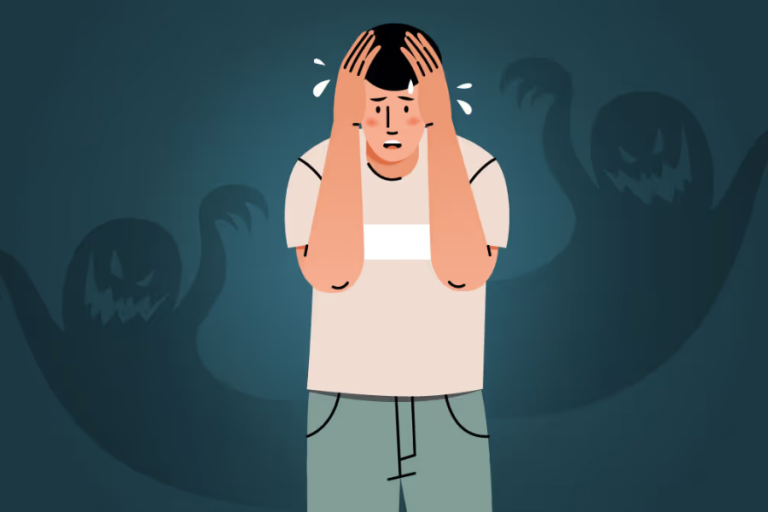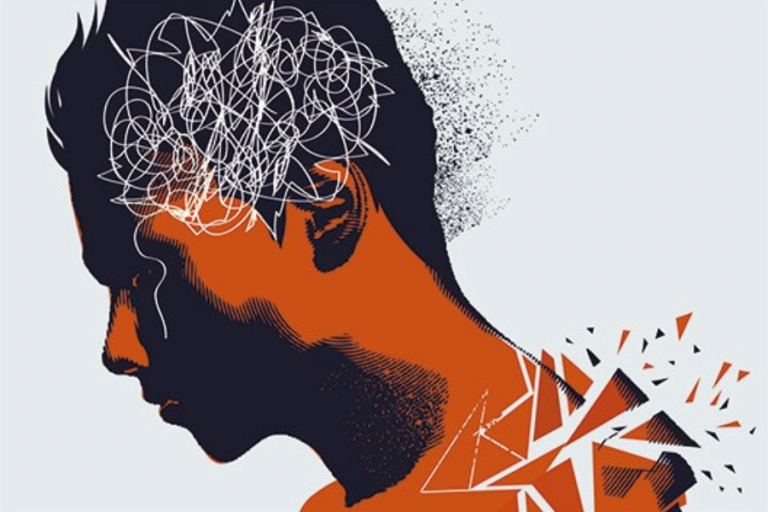
A lot of men grow up hearing some version of “handle it yourself” or “tough it out.” That message can collide hard with the reality of stress, anger, burnout, and quiet sadness. If you have ever wondered whether therapy is actually for you, you are not alone. The conversation around men and therapy is changing, and you can be part of that shift.
This guide walks you through why therapy works specifically for men, what it can help with, and how to get started without it feeling overwhelming or awkward.
Why men and therapy deserve a closer look
You might have heard that men are at higher risk for serious mental health outcomes, but the numbers are still striking. The Centers for Disease Control and Prevention reports that men are about 3.5 times more likely to die by suicide than women, and many studies show that around 70 percent of young men avoid seeking mental health help at all as of 2025. That is a huge gap between who needs help and who actually receives it.
Men are also less likely than women to have received mental health treatment in the past year, even though they are more likely to die by suicide, according to CDC data. The National Institute of Mental Health notes that early recognition and treatment of mental health symptoms can dramatically improve outcomes, yet many men either minimize what they feel or interpret it only as stress, anger, or physical fatigue instead of emotional strain.
If any of this sounds familiar, therapy can be one of the most practical tools you have to close that gap for yourself.
What gets in the way of men seeking therapy
You might already know therapy could help, yet still feel something holding you back. That “something” often comes from a few powerful sources.
Social expectations and masculinity
From a young age, many boys are taught to stay tough, keep emotions in check, and solve problems alone. According to research cited by Manhattan Wellness, this conditioning tells men that showing emotion or asking for help is weak, even though it actually takes courage and emotional intelligence to do either.
Dr. Darshan Mehta from Massachusetts General Hospital has pointed out that men often avoid talking about feelings because it clashes with traditional ideas of masculinity that emphasize strength and self-reliance. Over time, that pressure can lead you to bottle up stress, sadness, or worry instead of dealing with it.
“Suck it up” beliefs passed down
Maybe you grew up hearing things like “man up,” “don’t be soft,” or “other people have it worse.” Manhattan Wellness notes that generational beliefs like these push many men to dismiss mental health struggles or assume they should be able to power through anything on their own. When that message is repeated enough, therapy can seem unnecessary, dramatic, or like something only people in a total crisis need.
Not feeling represented or understood
Many mental health campaigns, resources, or even therapy styles have not historically spoken to men directly. Manhattan Wellness highlights that a lack of male-focused messaging and relatable role models makes a lot of men feel therapy “isn’t for them.” If you do not see men like you talking about mental health, it is easy to assume you are supposed to stay quiet too.
On top of that, traditional therapy formats that center on emotional expression without structure can feel uncomfortable. Research from the Baltimore Therapy Group notes that men often respond better to action-oriented, problem-solving approaches rather than free-form emotional dives. If your first experience did not match how you like to work through problems, you may have walked away thinking therapy simply does not fit you.
What therapy actually offers men
Underneath the stereotypes, therapy is a very practical tool. It is less about lying on a couch and more about giving you a structured way to solve problems you have been carrying alone.
According to the Counseling Center of Maryland, therapy creates a confidential and supportive space where you can:
- Explore what you are feeling without being judged
- Understand why certain patterns or reactions keep repeating
- Work on specific skills that make day-to-day life easier
Here is what that can look like in practice.
Emotional skills that pay off in real life
In therapy, you build emotional intelligence and communication skills. That does not mean you need to cry every week. It means you learn how to identify what you actually feel, put words to it, and respond in a way that lines up with who you want to be.
The Counseling Center of Maryland notes that these skills show up everywhere: in how you argue with a partner, push back at work, parent your kids, or reconnect with friends. Instead of shutting down or exploding, you gain more options.
Tools for stress, work, and pressure
Many men carry silent pressure related to money, career, family expectations, or aging. Therapy gives you strategies for managing this load: realistic goal setting, boundaries, healthier routines, and clear decision-making. The Counseling Center of Maryland emphasizes that therapy can be tailored to the specific pressures men face around providing, performing, and staying “in control.”
Research cited by the Baltimore Therapy Group points out that regular physical activity, daily routines, and mindfulness can reduce symptoms of depression and boost resilience. These are the kinds of concrete habits a therapist can help you build, step by step.
Stronger relationships, less conflict
According to Dr. Ronald F. Levant, therapy significantly improves relationship satisfaction for men. You work on:
- Communicating clearly without shutting down or lashing out
- Expressing frustration, fear, or disappointment in ways that do not damage trust
- Understanding your own triggers so you do not feel blindsided by your reactions
Men who go to therapy often report better connections with partners, kids, coworkers, and friends. You do not have to become a different person, you learn how to work with the person you already are, with fewer blowups and less distance.
Mental health and physical health
Unresolved stress, anger, or depression does not just live in your head. It shows up in your body too. Chronic stress can contribute to heart problems and a weaker immune system. Therapy helps you reduce that baseline stress and also supports healthier habits like sleep, exercise, and nutrition.
Baltimore Therapy Group and the American Psychological Association highlight that regular physical activity can be as effective as antidepressants for some people managing depression symptoms. Integrating mental health support with small physical changes can improve how you feel overall.
Types of therapy that often work well for men
You might think “therapy” is one thing, but there are different approaches. Some are especially well suited to men who like structure and action steps.
Cognitive Behavioral Therapy (CBT)
CBT is one of the most researched types of therapy and is very practical. With CBT, you and your therapist:
- Identify unhelpful thought patterns, like “I always fail” or “Everyone is judging me”
- Test whether those thoughts are accurate
- Replace them with more balanced, realistic ones
- Practice new behaviors in real-life situations
CBT has been shown to help men dealing with PTSD, OCD, depression, eating disorders, schizophrenia, and everyday stress and anxiety. You set clear goals and track progress, which can feel satisfying if you like a plan and measurable results.
Acceptance and Commitment Therapy (ACT)
ACT is an action-oriented approach highlighted by the Baltimore Therapy Group. Instead of trying to erase difficult thoughts and feelings, you learn to make room for them while still taking steps toward what matters to you.
You focus on your values, like being a reliable partner, a present dad, or someone who protects their health, and then build small actions that move you in that direction even when anxiety or sadness shows up. For many men, this feels more realistic than waiting to “feel better” before doing anything.
Dialectical Behavioral Therapy (DBT)
DBT combines individual therapy, skills groups, and coaching. It is especially useful if you struggle with intense emotions, impulsive behavior, or relationship blowups. The Baltimore Therapy Group notes that DBT gives you straightforward tools to:
- Regulate strong emotions
- Tolerate stress without making things worse
- Communicate your needs clearly
DBT is structured and logical, which can resonate if you prefer step-by-step approaches.
Motivational Interviewing and trauma therapy
Motivational Interviewing offers a low-key, conversational way to look at habits like substance use, gambling, or other behaviors that are hurting you. You explore your own reasons for change without being lectured.
Trauma therapy focuses on painful experiences like emotional, physical, or sexual abuse. It gives you a confidential place to talk about what happened and start to loosen the grip those memories have on your life.
Group therapy and mindfulness-based therapies
Group therapy puts you in a room (or virtual space) with other people working through similar issues. For many men, this breaks the feeling of being the only one struggling. It can be powerful to hear your own story in someone else’s words.
Mindfulness-based therapies, such as mindfulness meditation and mindfulness-based stress reduction (MBSR), help you see thoughts and feelings without being pulled under by them. They are especially useful for reducing stress and improving emotional regulation.
Signs therapy could help you right now
You do not need to hit rock bottom to benefit from therapy. In fact, earlier is usually easier. According to several experts, depression is one of the most common reasons men should seek therapy. It often shows up in men as:
- Irritability, anger, or short temper
- Pulling away from people or hobbies you used to enjoy
- Drinking or using drugs more to cope
- Trouble sleeping or oversleeping
- Physical aches with no clear medical cause
The Newport Institute notes that depression in young men is often underdiagnosed because it can look more like anger, risk-taking, or even violence rather than sadness. Substance use can also be a sign. Many men self-medicate with alcohol or drugs, and heavy use is still often treated as “normal” masculine behavior instead of a mental health red flag.
If you recognize yourself in any of this, therapy can help you understand what is underneath and give you better ways to cope.
If you would tell a friend to get help in your situation, you are likely at the point where therapy could benefit you too.
How to find the right therapist for you
Finding a good therapist is a bit like finding a good mechanic or trainer. Fit matters.
Start with your preferences
It can help to ask yourself:
- Do you want someone who specializes in men’s issues, anger, addiction, or relationships?
- Would you feel more comfortable with a male therapist, a female therapist, or either?
- Do you want a structured, goal-oriented style or something more open-ended?
Baltimore Therapy Group emphasizes that therapists who specialize in men’s issues and men-only groups can create spaces that understand the unique pressure points men face, including stereotypes, substance use, and identity questions.
Use the resources you already have
You can:
- Talk to your primary care doctor and ask for a referral
- Check if your employer offers a confidential mental health helpline
- Contact national organizations such as the National Alliance on Mental Illness Helpline, which can connect you with local professionals
- Visit the National Institute of Mental Health website for guidance on finding support and emergency resources, including the 988 Suicide and Crisis Lifeline
If you feel discouraged by a first attempt that did not click, try not to stop there. Many men only realize the value of therapy after finding someone who truly fits their style and goals.
What your first sessions might look like
Walking into a first session can feel awkward if you are not sure what to expect. In most cases, it is more straightforward than you think.
You can expect to:
- Talk through what brought you in and what you want to change
- Share some background about your work, relationships, health, and daily life
- Set clear goals with your therapist, such as reducing anxiety, handling anger differently, or improving communication at home
Therapy often involves weekly sessions at first, plus small tasks between meetings. Those might be simple things like tracking your mood, practicing a new response in a tough situation, or adding a short walk or breathing exercise into your day. Over time, you and your therapist adjust the plan as you progress.
Reframing therapy as strength, not weakness
The biggest shift around men and therapy is how it gets framed. Instead of seeing it as something you do only when you “cannot handle life,” you can treat it as:
- A tool for staying in control of your choices
- Training for your mental and emotional “muscles”
- Preventive care, similar to going to the doctor or gym before problems get worse
Research highlighted by Baltimore Therapy Group shows that when men are encouraged to see vulnerability and emotional work as strengths, not failures, they are more likely to heal and rethink harmful gender roles. Dr. Rogelio Serrano notes that therapy helps men build resilience, which is the ability to bounce back from adversity while staying grounded in who you are.
Generational attitudes are shifting too. According to therapist Jason Blakemore, older generations often saw therapy as a last resort, but many Millennial and Gen Z men now treat it as a normal part of taking care of themselves and their relationships. You can be part of that healthier model, no matter your age.
Taking your first step
If therapy has been sitting in the back of your mind, consider one small move today:
- Look up therapists in your area who mention men’s issues or CBT
- Ask your doctor or a trusted friend for a recommendation
- Save the 988 Suicide and Crisis Lifeline information in your phone if you ever find yourself in a crisis
You do not have to have the perfect words or a fully formed story before you start. You just need enough willingness to say, “I am ready for something to change.” That is not weakness. That is you choosing a different, stronger way forward.
About the Author