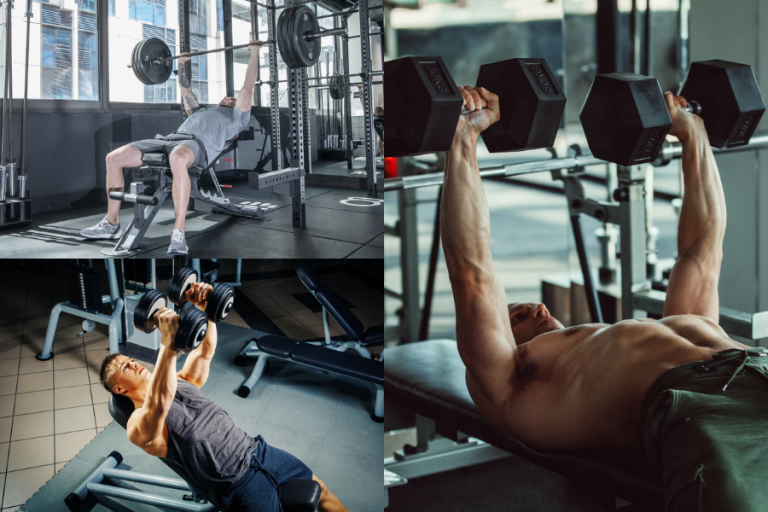
A pair of dumbbells and 20 focused minutes is all you need to get a serious sweat going. HIIT workouts with dumbbells combine resistance training with intense cardio intervals so you build muscle and burn fat at the same time, without living at the gym.
Below, you will see how to set up safe, effective dumbbell HIIT sessions, how often to do them, and a few plug and play workouts you can try this week.
Understand what HIIT with dumbbells is
High Intensity Interval Training, or HIIT, alternates short bursts of hard effort with brief recovery. When you add dumbbells, those bursts challenge both your heart and your muscles.
In practice, that might look like 30 to 40 seconds of weighted squats, presses, or rows, followed by 15 to 20 seconds of rest. You repeat the pattern for several rounds so your heart rate spikes, then partially recovers, multiple times.
The payoff is efficiency. Research shows you can burn as many calories in a 20 to 30 minute HIIT session as you would in an hour of moderate exercise, especially when you include resistance work to recruit more muscle groups. When you include dumbbells, you also develop strength, power, and muscular endurance instead of just cardio fitness.
Know the main benefits for you
If you are wondering whether HIIT workouts with dumbbells are worth the effort, it helps to see what you gain from them.
You can expect:
- Full body training in one session
- Increased strength and power
- Better cardiovascular fitness and stamina
- More calories burned during and after your workout
- Improved balance, coordination, and athleticism
- Time efficiency on busy days
Because dumbbells add resistance, your muscles have to work harder than they would in a bodyweight-only circuit. That increases the afterburn effect, sometimes called Excess Post Exercise Oxygen Consumption, where your body keeps burning calories at an elevated rate for hours after you finish.
HIIT that uses squats, lunges, rows, presses, and similar compound moves also challenges stabilizing muscles. That can improve your balance and coordination over time, which carries over to sports, lifting, and everyday tasks.
Choose weights that work for intervals
Picking the right dumbbell weight is one of the most important decisions you make for safety and results.
You want a load that:
- Lets you maintain good form for the whole interval
- Feels challenging in the last 5 to 10 seconds
- Allows you to move at a brisk, controlled pace
If the weight is too light, you can fly through reps without much effort. Too heavy, and your form falls apart, which raises your risk of strain or injury. During HIIT, the goal is not your one rep max. It is repeatable, quality work under fatigue.
Selectorized dumbbells that adjust via a dial or pin are ideal if you have them. They make it easy to jump from lighter weights for shoulder moves to heavier weights for squats and rows, which matters when every second in your interval counts.
If you do not have dumbbells, you can improvise with heavy books, water bottles, a loaded backpack, or other household items that you can grip securely. The same rules apply. Pick loads that feel challenging but controllable for your planned work interval.
Warm up to protect your joints
Because HIIT with dumbbells is intense, you should never skip a warm up. A good warm up raises your body temperature, increases blood flow to your muscles, and primes your joints for movement.
Spend 5 to 8 minutes on:
- Light cardio like brisk walking, easy jogging in place, or cycling
- Dynamic stretches such as leg swings, arm circles, and torso twists
- A few bodyweight versions of the first exercises in your workout
This approach helps lubricate your joints and prepares your nervous system for heavier, faster movements. Starting cold then jumping straight into hard goblet squats or presses is a quick path to pulled muscles or tweaked backs.
Use smart structure for your intervals
You have a few simple ways to organize HIIT workouts with dumbbells. Two of the most popular are circuit style and Tabata style.
In a circuit, you rotate through several different dumbbell moves, resting briefly between each, and then repeat the full sequence for multiple rounds. A common structure is 40 seconds of work and 20 seconds of rest per exercise.
With Tabata, you pick one exercise and perform 20 seconds of all out work followed by 10 seconds of rest, repeated for 8 rounds. This 4 minute block is short but intense and works well for moves like goblet squats, swings, and presses.
A basic session might mix both ideas, for example:
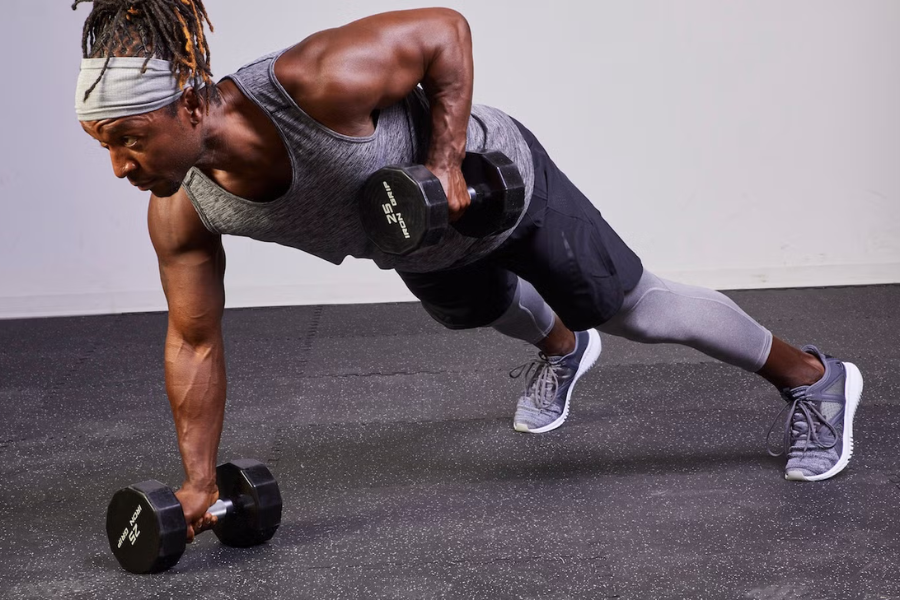
3 round circuit, 40 seconds work, 20 seconds rest per move: goblet squats, bent over rows, shoulder presses, reverse lunges, renegade rows. Then finish with one 4 minute Tabata of one arm dumbbell swings.
The exact interval does not have to be perfect. The key is to work at a high intensity during your on periods and respect your rest periods so you can repeat that effort.
Focus on form for safety and results
Good technique is non negotiable when you are moving quickly with weights. Even though your heart is pounding, each rep still needs to look solid.
A few form points to keep front of mind:
- Brace your core before you lift, especially in squats, deadlifts, and rows
- Keep your spine neutral rather than rounding forward
- Control the lowering phase instead of letting the weights drop
- Aim for smooth, athletic movements instead of jerky motions
Starting with lighter weights buys you time to learn the patterns. As your form improves at higher heart rates, you can gradually increase the load. If you ever feel sharp pain or you cannot maintain technique, stop that set and reduce the weight or modify the move.
If you are lifting very heavy within a HIIT format, having a spotter for presses or other demanding lifts adds another layer of safety.
Try these full body dumbbell HIIT workouts
Here are some sample workouts you can plug into your week. Adjust weights and intensity based on your current fitness.
20 minute beginner friendly circuit
You will do 40 seconds of work followed by 20 seconds of rest for each exercise. Move down the list, then rest 60 to 90 seconds and repeat 2 to 3 times.
- Dumbbell goblet squat
- Dumbbell shoulder press
- Dumbbell hip hinge or Romanian deadlift
- Dumbbell bent over row
- Alternating reverse lunge holding dumbbells at your sides
Pick weights that let you finish each 40 second block with solid form but feeling challenged. If 40 seconds is too much, start with 30 seconds on and 30 seconds off.
19 minute time crunched burner
This style has become popular because it hits all major muscle groups in just under 20 minutes.
Work 45 seconds per move, rest 15 seconds, and cycle through the sequence 3 times.
- Dumbbell thruster, a front squat into a press
- Renegade row
- Dumbbell Romanian deadlift
- Alternating one arm dumbbell swing
- Dumbbell push up row, or a standard push up if needed
- Russian twist holding one dumbbell
Because this workout blends strength and high intensity cardio, you will notice a serious heart rate spike. Respect your rest breaks, and if you need to extend them for a round, do so to keep your form sharp.
Upper and lower body split HIIT
If you want to hit HIIT style sessions more than twice a week, splitting upper and lower body can keep volume manageable.
For upper body day, use 30 seconds work and 15 seconds rest for each move:
- Dumbbell shoulder press
- Single arm dumbbell row, each side
- Dumbbell chest press on a bench or the floor
- Biceps curls
- Triceps extensions or kickbacks
For lower body day, try:
- Goblet squats
- Dumbbell reverse lunges
- Dumbbell deadlifts or hip hinges
- Lateral lunges with dumbbells
- One arm dumbbell swings
Aim for 3 to 4 rounds per day based on your schedule and energy level.
Cool down and recover the right way
After intense intervals, you should not just drop the weights and head to the shower. A simple 5 minute cool down helps your heart rate come down gradually and may ease post workout soreness.
Walk at an easy pace, either in place or on a treadmill, then follow with static stretches for the hamstrings, quads, glutes, chest, and shoulders. Hold each stretch for about 20 to 30 seconds.
Recovery does not stop there. HIIT with weights is demanding, so build in rest days. Most people do best with 2 to 3 HIIT sessions per week with at least 48 hours between similar workouts so muscles and connective tissues can repair. On off days, light walking, mobility work, or other low intensity cardio can keep you active without overtaxing your system.
Listen to your body. Persistent fatigue, nagging aches, or a drop in performance are signs that you might need extra rest or a lighter week.
Adjust to your fitness level and goals
How often you do dumbbell HIIT and how hard you push should line up with your experience and what you want out of training.
If you are new to HIIT or returning after a break, start with 1 to 2 sessions per week and shorter intervals. As you adapt, you can build up to 3 or sometimes 4 weekly sessions if you recover well.
If fat loss is your main goal, pair 2 to 3 dumbbell HIIT workouts with a slight calorie deficit and daily walking. If strength and muscle are higher priorities, you may want heavier lifting sessions on separate days and just 1 to 2 HIIT workouts focused on conditioning.
In every case, the basics remain the same. Warm up thoroughly, pick weights that let you move fast with control, protect your form, and take recovery as seriously as your reps.
Start with one of the sample workouts this week, pay attention to how your body responds, and adjust from there. With a pair of dumbbells and some smart planning, you can turn short, focused sessions into a powerful driver of strength, conditioning, and overall health.
About the Author