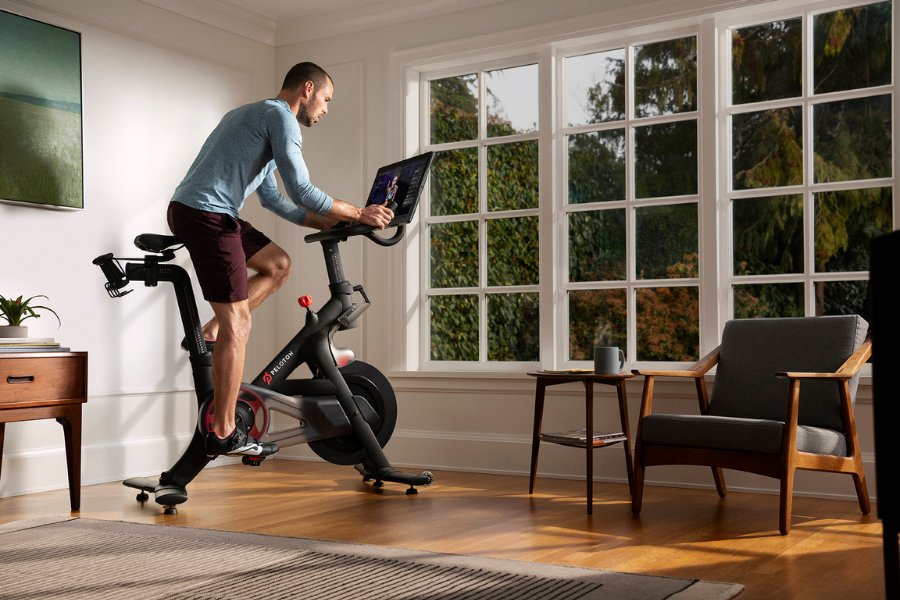
If you want a flexible way to build your endurance at home, exercise bike cardio routines are worth exploring. By alternating between steady pedaling, structured intervals, and careful progression, you can gradually increase stamina and challenge yourself at every stage. An indoor bike removes weather worries and reduces impact on your joints, so it’s easier to stay consistent. Whether you’re new to biking or looking to switch up your current workouts, these routines can help you pedal toward your goals.
Below, you’ll find tips on setting up your bike, starting with easy warmups, incorporating intervals, and staying motivated. Each section focuses on a different aspect of hitting your endurance sweet spot, so you’ll always have a fresh way to keep your rides exciting.
Set up the bike correctly
Your first step is making sure the bike fits you comfortably. A poorly adjusted seat or handlebar height can strain your lower back or knees, which might slow your progress. When you’re set up properly, you not only protect your joints but also get more power from each pedal stroke.
Aim to place the seat so your legs are nearly straight at the bottom of the pedal rotation, but not locked. Keep the handlebars at a height where you can maintain a slightly leaned-forward posture without rounding your shoulders. Comfort matters here because you’ll be more likely to stick with longer sessions when you’re not fidgeting for relief.
Quick setup guidelines
- Position your seat so there’s a slight bend in your knee at the bottom of the pedal stroke
- Align your hips with the center of the seat to prevent shifting side to side
- Keep handlebars at a level that’s comfortable for your back and arms
- Adjust the resistance before you begin, aiming for a light challenge rather than an extreme gear
Ease in with warmups
Quick-starting a tough ride might leave you gasping too soon. Instead, spend a few minutes gearing up both mentally and physically. A thorough warmup helps loosen stiff muscles and gently elevates your heart rate, so you’re prepared for the main workout.
Begin with a light pedal for about five minutes at an easy-to-moderate pace. Notice how your legs feel and check that your form stays solid. This is also the time to focus on your breathing and settle into a steady rhythm. After you’ve warmed up, you’ll be ready to tackle more intense segments without hitting a wall too early.
Simple warmup steps
- Pedal for at least five minutes at a leisurely pace
- Gradually increase resistance until you feel a mild challenge
- Include brief stretches if your knees or hips feel tight
- Transition smoothly into the main workout once you feel limber
Blend intervals and steady rides
Intervals are a classic technique to boost your endurance while also improving cardiovascular health. They alternate short bursts of higher intensity with periods of lower-intensity recovery. During your sprint segments, you’ll push your heart rate up, then allow it to settle before the next push. Over time, this trains your system to handle greater exertion levels.
Steady rides, on the other hand, help you develop a comfortable, maintainable pace that can last anywhere from 20 minutes to an hour or more. When you combine intervals with steady cruising, you’ll work different energy systems and avoid mental burnout. You can devote one day to intervals and another to a longer, moderate ride to balance intensity and endurance.
Interval workout example
- Warm up for five minutes at an easy pace
- Perform a 20-second sprint at a challenging resistance
- Recover by pedaling slowly for 40 seconds
- Repeat the sprint-recover cycle 6–8 times and cool down for a few minutes
Try a challenging hill routine
If you enjoy the idea of climbing but don’t have a hill nearby, an exercise bike can simulate steep inclines by increasing resistance. Pedaling against that added tension forces your leg muscles—especially your quads and glutes—to work harder. Over time, this builds power and enhances your ability to endure longer rides.
Start by selecting a moderate incline (resistance) that feels like a gentle climb. After a few minutes, crank it up slightly more to mimic a steeper stretch. Stay focused on maintaining good form: press through the pedals evenly, keep your chest lifted, and engage your core. When you finally reduce the resistance, you’ll feel the rush of cycling downhill, letting you recover before the next climb.
Resistance tips
- Pick a level that lets you pedal steadily without losing form
- Increase resistance every two minutes to simulate climbing
- Lower it briefly to “descend” and catch your breath
- Keep your shoulders relaxed, especially when you raise the intensity
Prioritize recovery and active rest
Pushing your limits is a good thing—until it becomes too much. Rest days, or sessions of light pedal work, are essential to help your muscles and cardiovascular system repair and adapt. If you bypass recovery, you risk fatigue, injury, and loss of motivation, all of which can derail your progress.
Active rest days involve gentle riding at low resistance and moderate speed. You’ll keep your blood flowing without exhausting yourself. Pair this approach with stretching or gentle yoga for improved flexibility. When you return to higher-intensity sessions, your legs will feel fresher and more powerful.
Recovery tips
- Schedule at least one rest day per week to avoid overuse injuries
- On rest days, use a gentle pace and minimal resistance for 15–20 minutes
- Stay hydrated and consider light stretching afterward to release tension
- Listen to your body—if you’re unusually sore, opt for an easy day or complete rest
Track progress and stay motivated
Measuring what you accomplish on the bike trains your mind to appreciate growth. Watching your wattage, distance, or total time increase is a huge mood boost, especially when you’re aiming to enhance endurance. Many bikes come with screens that show speed, distance, and calories burned. Tracking these metrics helps you identify patterns and adjust your strategy.
Look for small wins each week, like adding an extra interval cycle or maintaining your steady-ride pace for a longer period. Keep in mind that everything doesn’t need to improve all at once. You might see your speed go up one day and your endurance shine on another. As you observe these gradual changes, you’ll find the motivation to keep going.
Motivation boosters
- Keep a simple journal or app log to record workout details
- Experiment with new music or podcasts to push through tough intervals
- Set weekly mini-goals, like adding two more minutes of steady riding
- Celebrate your progress with small rewards or dedicated rest days
Take the time to explore different exercise bike cardio routines that suit your schedule and energy levels. By mixing up intervals, hills, and steady-state rides, you’ll keep your workouts fresh and challenging. It’s all about consistency—each pedal stroke brings you closer to better endurance and stronger overall fitness. Over the coming weeks, stay open to adjusting your routines. Listen to your body, prioritize your rest, and keep your eyes on those gradual improvements. Before long, you’ll see the longer rides start to feel easier and the shorter bursts feel more powerful.
Jump on your bike with confidence, knowing you have a plan to improve your stamina and keep your workouts exciting. Embrace every pedal as a step toward your goals, and enjoy the journey to a healthier, stronger you.
About the Author