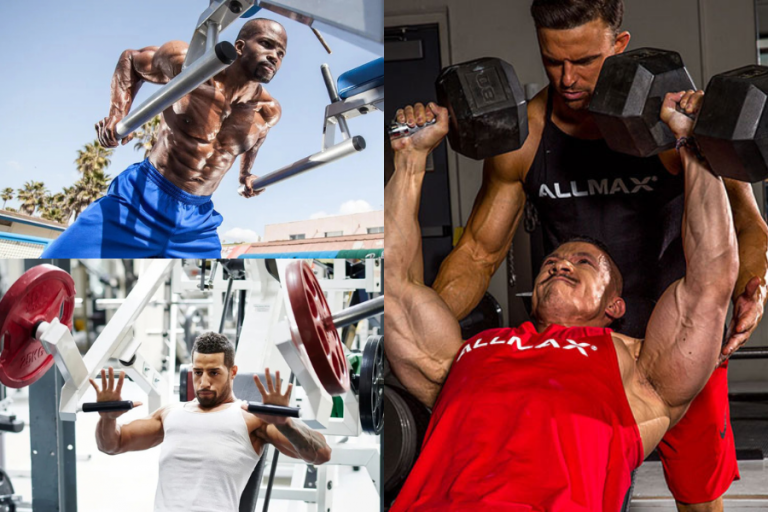
If you’re looking for a straightforward way to build upper-body strength, a chest workout with dumbbells is one of your best options. Whether you’re working out at home or in a busy gym, dumbbells offer you plenty of flexibility in terms of exercise variety, weight increments, and overall comfort. You can challenge your chest muscles more efficiently and still have the control to focus on form, core stability, and injury prevention.
Why a dumbbell chest workout
When it comes to training your chest, consistent progress typically boils down to promoting muscle activation, encouraging balanced movement, and avoiding injury. Dumbbells fit perfectly into this formula, partly because each side of your body works independently. This helps reduce common imbalances that sometimes occur with barbells—especially if one arm is stronger or more dominant.
Another upside of dumbbell training is the wider range of motion you can achieve. With barbells, your grip and elbow position are fairly locked in, but dumbbells let you adjust your wrist and arm angle. By doing so, you can target the chest muscles from slightly different angles, which ultimately leads to a well-rounded and more noticeable development.
Gear and setup basics
Before you start hoisting weights, it’s worth making sure you have the right setup. Ideally, you’ll need a workout bench that can adjust to both flat and inclined positions. This way, you can add variety to your exercises without needing multiple pieces of equipment. If you don’t have a bench, lying on the floor with bent knees can still work, but you’ll have less range of motion and might not be able to do some exercises effectively.
When selecting dumbbells, you’ll want pairs that you can lift for 8 to 12 reps with proper form. Gradually increasing this weight as you get stronger is the key to visible gains. Keep a few pairs at different increments if possible, or consider adjustable dumbbells that let you tweak the load more quickly.
Core movements to try
A successful chest workout with dumbbells usually includes several core exercises that hit your pecs from different angles. Below are a few reliable moves to help you maximize your results:
-
Flat dumbbell bench press
This staple exercise targets your pectoralis major, shoulders, and triceps. Lie on a flat bench and hold a dumbbell in each hand at chest level. Keep your feet planted firmly on the floor and your core engaged. Press the weights up until your arms are nearly locked out, then lower them slowly for one complete rep. Aim for controlled movements—no bouncing off your chest. -
Incline dumbbell press
Elevating the bench (around 30 to 45 degrees) places more emphasis on the upper chest. Set your bench to the desired angle, lie back, and hold a dumbbell in each hand at shoulder level. Exhale as you press the weights up and inhale on the way down. If you’re looking for that defined line across your upper chest, this exercise deserves a spot in your routine. -
Dumbbell fly
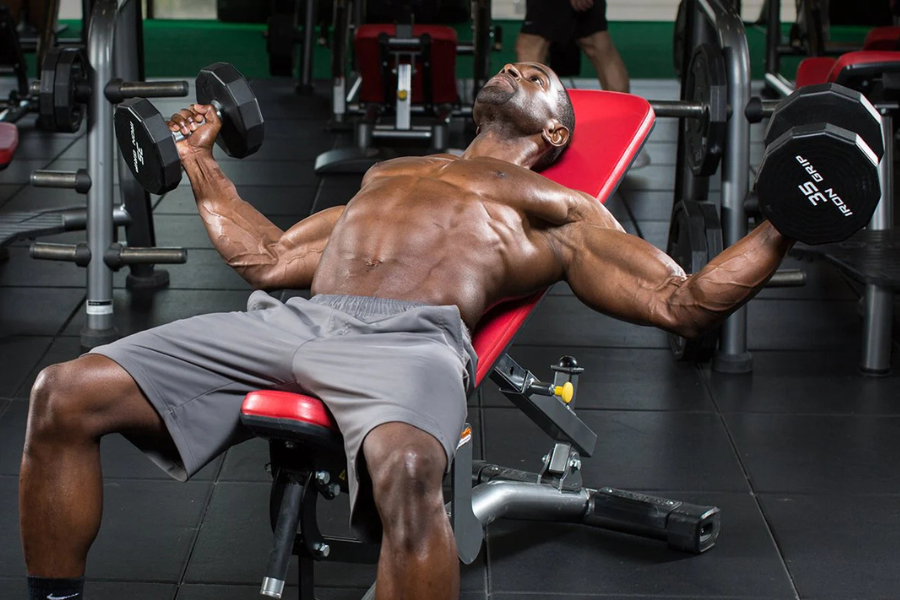
Dumbbell flies allow you to open up the chest and create a wide stretch across the pecs. Start lying on a flat or slightly inclined bench, palms facing each other, arms slightly bent. Open your arms in a wide arc until you feel a stretch in your chest. Bring the dumbbells back up, keeping your elbows bent and your focus on squeezing the pecs instead of just swinging your arms. -
Dumbbell pullover
Often overlooked, the pullover engages your chest and lats at the same time. Lie on a bench with your feet flat, holding a single dumbbell overhead with both hands. Your arms should remain slightly bent as you lower the weight behind your head, aiming to feel a stretch in your chest and upper back. Raise it back to the starting position by squeezing your pecs and core. Done correctly, this move can really round out your chest routine.
How to build your routine
Once you’ve got the basic exercises down, it’s time to arrange them into a complete workout. You’ll want to pick three or four of these movements and perform them across several sets, typically in the 8- to 12-rep range for muscle growth. If you’re just starting out, a two-day split can work wonders by letting your chest recover adequately:
• Perform your chest workout on Monday (including a few more upper-body exercises for balance).
• Rest or train lower body and back for a day or two.
• Repeat your chest workout on Thursday, possibly with slight variations like switching from flat bench to incline bench.
When choosing exercises, start with compound moves such as the flat dumbbell bench press or incline press. These recruit multiple muscle groups and let you lift heavier weights. Follow up with more isolated exercises like dumbbell flies and pullovers to target your chest fibers at different angles. Each day, keep track of your sets, reps, and weight so you can monitor your progress over time.
Tips for maximizing gains
One of the biggest challenges in chest workouts is consistently pushing beyond your comfort zone without risking injury. To achieve that balance, make sure you’re focusing on proper form first. Rushing to add heavier weights before mastering the movement pattern often leads to slowed progress or frustrating plateaus.
Also, be intentional about your tempo. Slow, controlled reps typically build mind-muscle connection more effectively than explosive, hurried ones. By pausing at the top of each rep and lowering the weight steadily, you’ll feel your muscles working harder. Over time, this encourages better growth compared to simply powering through reps as fast as possible.
It’s also helpful to include a brief warm-up before your working sets. Grab lighter dumbbells to do a few quick presses or act out the movement pattern. This helps lubricate your shoulder joints, spark blood flow, and mentally prepare you for heavier lifts.
Common mistakes to avoid
Even with the best intentions, you may fall into habits that undercut your progress. One common error is trying to bench too heavy too soon. You might find yourself arching your back excessively or relying on momentum to move the weight. This not only reduces chest activation but also raises your risk of shoulder strain.
Another frequent mishap is bouncing the dumbbells off your chest or letting them crash down to your sides in fly movements. This type of poor control steals the tension away from your muscles and makes your reps less effective. Focus on slow, intentional movements where you feel the contraction and stretch at every phase.
If you ever notice your elbows flaring out to a near 90-degree angle, consider adjusting your arm path. Keeping your arms tucked slightly toward your torso can reduce undue pressure on your shoulders, especially during presses. Small tweaks to your grip, elbow position, or seat angle often resolve minor alignment problems before they become big issues.
Wrap-up for your chest
Once you perfect your chest workout with dumbbells, you’ll likely enjoy improved upper-body strength, definition, and posture benefits. Even if you’re short on space or resources, a pair of dumbbells and a sturdy bench can take you surprisingly far. Just remember to keep track of your progress, and don’t be afraid to switch up your routine every so often to keep your muscles guessing.
The beauty of training with dumbbells is that you have the power to tailor every exercise to match your ability. No matter your fitness level, consistent practice combined with proper technique will help you build a strong, well-rounded chest. When you commit to steady improvement, you’ll soon see the payoff in both how you look and how you feel.
Try incorporating one new exercise each week or experimenting with a fresh angle to stay motivated. Over time, your pecs—and your confidence—will thank you for it.
About the Author