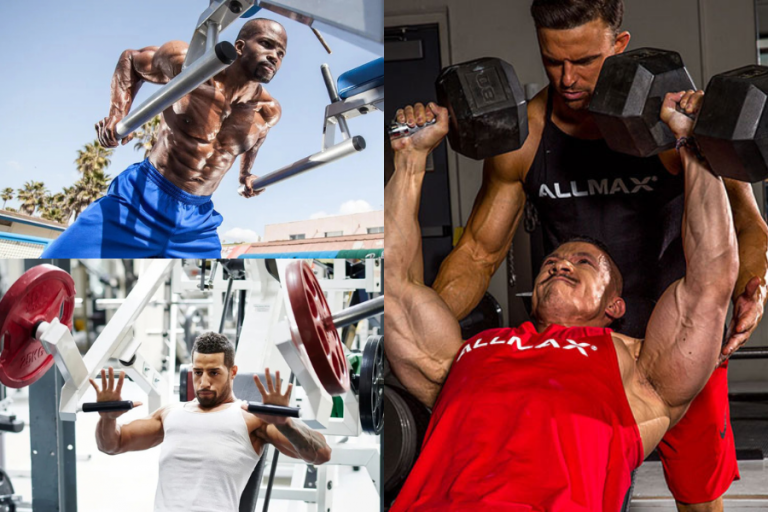
One of the simplest ways to transform your physique is by focusing on strength training chest exercises. A strong, well-developed chest not only enhances your overall appearance but also boosts functional strength you rely on every day. From lifting heavy objects to improving posture and stability, training these muscles pays off in countless situations.
Understand why chest training matters
Your chest muscles (primarily the pectoralis major and minor) are key players in pressing movements, shoulder stability, and upper-body power. When these muscles are underdeveloped, you may notice imbalances, discomfort, or general weakness that can spill over into other areas of your workout routine. If you frequently experience shoulder or upper-back tension, improving chest strength often helps ease the strain.
A well-planned chest workout can also increase your metabolic rate by engaging multiple large muscle groups at once. In other words, working your chest supports your fitness goals on multiple fronts. Combine your chest exercises with a balanced diet and consistent training, and you’ll see improvements in strength, endurance, and overall mass.
Master the basic moves
Any successful chest workout plan typically revolves around several foundational exercises that target different angles of your pectoral muscles. Learning the basics lets you progress safely and effectively, preparing you for more advanced movements later on.
- Bench press: Often called the king of chest exercises, it focuses on the entire chest region and also challenges the shoulders and triceps. Adjusting your grip width changes which portion of your chest is emphasized.
- Push-ups: A bodyweight classic that never goes out of style. Push-ups engage your chest, shoulders, triceps, and even your core if you stay in a solid plank position.
- Dumbbell flyes: This move stretches and targets the outer portions of your chest. Remember to maintain a slight bend in your elbows throughout the motion to protect your shoulder joints.
- Dip: Although commonly viewed as a triceps exercise, leaning forward slightly increases chest activation and makes dips a valuable addition to chest-day routines.
These basics form the core of your chest workout. By combining compound exercises like the bench press and dips with more isolation-focused movements such as flyes, you create a well-rounded approach to building size and definition.
Focus on form for better results
No matter how many reps you churn out, if you perform them with incorrect form, you’ll struggle to see real progress. Take an extra moment to set yourself up properly before each set to reduce the risk of injury and maximize muscle engagement.
Pay close attention to your shoulder blade positioning and make sure you aren’t flaring your elbows too wide. For a bench press, keep your feet firmly planted on the floor, your lower back in a neutral position, and your wrists straight. If you’re new to an exercise, start with lighter weights or modified variations to perfect your technique. Proper movement patterns are the foundation of sustained progress.
Progress and variation for growth
Your muscles adapt quickly, so it’s essential to introduce regular changes to your routine. Progressive overload, or gradually increasing the difficulty of your workouts, is one way to ensure you keep getting stronger. You can add an extra set, increase your weights, extend your time under tension, or tweak hand positions to target different muscle fibers more precisely.
Variety also keeps you mentally engaged and helps reduce the chance of plateaus. Consider alternating between barbells, dumbbells, and cables. Cables, in particular, allow you to maintain consistent tension on your chest muscles, which can enhance growth. Switch from flat to incline or decline presses once in a while, and experiment with tempo changes (like slowing down the lowering phase). These small adjustments can lead to major improvements in strength and muscle size.
Balance your frequency and recovery
Your chest muscles need time to recover after intense workouts. Hitting your chest too often can lead to fatigue and hinder your progress, while not training enough might limit muscle growth. For most people, devoting one to two sessions per week to chest exercises strikes an effective balance. This allows you to focus fully on your chest without missing out on other key muscle groups.
Stretching and foam rolling your chest and shoulders also speeds up recovery. If you notice prolonged soreness or plateauing performance, take a break or schedule a lighter training week. Staying consistent with your routine is crucial, but pushing too hard, too often can do more harm than good.
Expand your perspective beyond the mirror
While building a strong chest can transform how you look, it also positively influences everyday movements. Strengthening your pectoral region supports better posture and shoulder stability, which can help prevent common injuries from repetitive overhead activities. Remember to pair chest work with back-focused exercises like rows or pull-ups to maintain balance in your upper body.
Focusing solely on aesthetics can sometimes overshadow the functional benefits of lifting. Over time, you’ll likely find that the enhanced posture and reduced aches from a strong chest are just as rewarding as seeing more definition in the mirror.
Conclusion
Strength training chest exercises aren’t just about adding muscle to your upper body, though that’s a nice bonus. They form the foundation for better posture, greater stability, and a higher overall level of fitness. By mastering the basics, fine-tuning your form, and introducing progressive overload, you establish a solid path to a chest that’s as strong as it is eye-catching.
As you keep refining your workouts, pay attention to how your chest strength improves everyday tasks and reduces strain on your shoulders. Bringing strategy and variety to your chest days sets you up for lasting success. So pick your favorite moves, stay consistent, and watch how quickly your newfound strength impacts both your physique and your daily life.
About the Author